
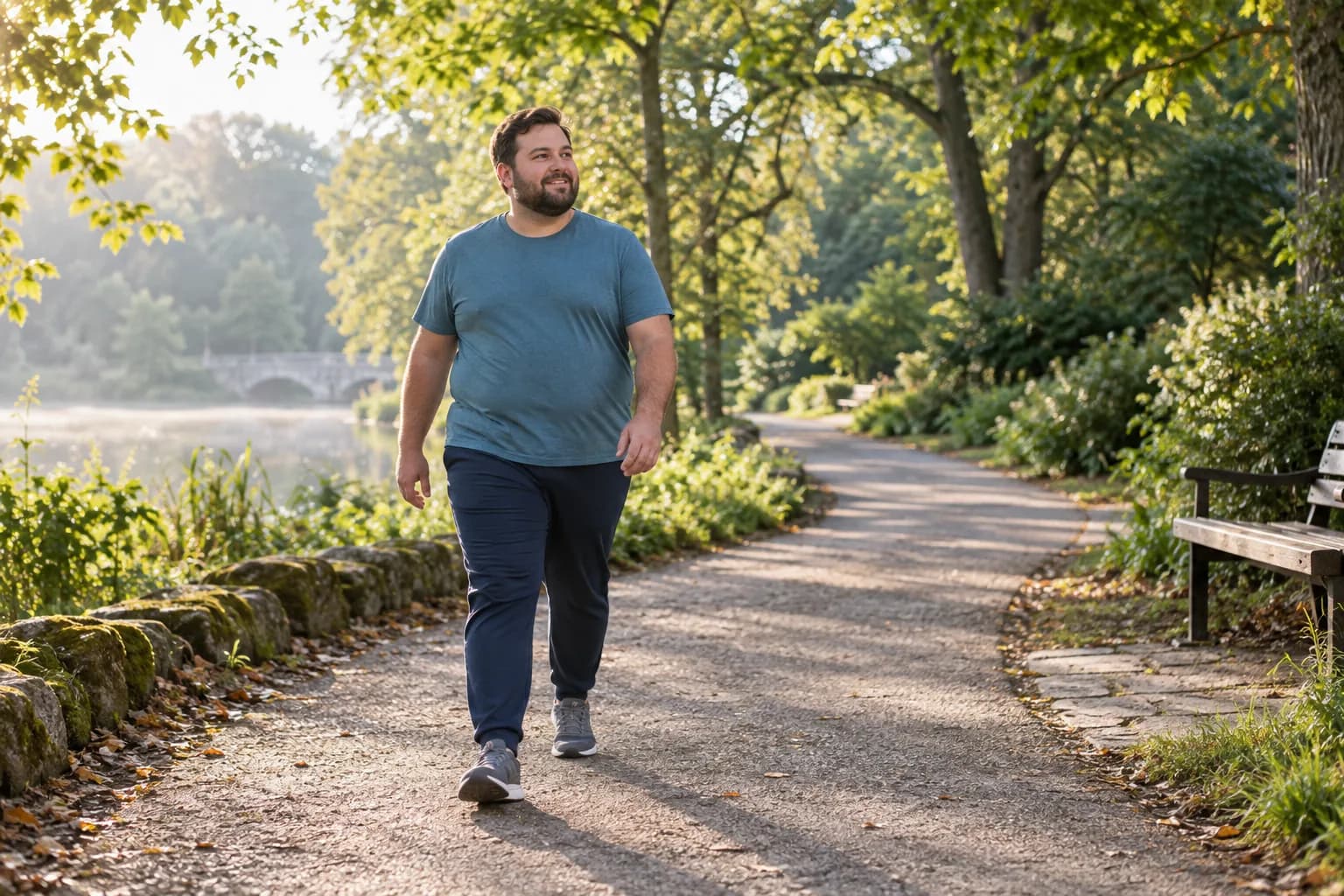
Returning to exercise after a long break can bring excitement and uncertainty at the same time. Your previous routine may no longer match your schedule, energy or current capacity. That does not mean you are starting from failure. It means you need an updated starting point.
The first weeks are an opportunity to practice showing up, learn how your body responds and build confidence with manageable work. Progressing gradually can make the routine easier to repeat and gives you useful information before you add more time, resistance or complexity.
Set a manageable starting point
Choose activities you can perform safely with the space and equipment available. Walking, supported body-weight movements, light resistance and gentle mobility may be appropriate options for many people, but your plan should reflect your circumstances. Begin with fewer sessions and a shorter duration than your enthusiasm might suggest.
Define a minimum session that still feels worthwhile. It could include a brief warmup, a small set of basic movements and an easy cooldown. Finishing with some capacity left can make the next session feel more approachable. Your first goal is to establish a repeatable pattern, not to prove what you once could do.
- Plan two or three specific movement windows.
- Use exercises you understand and can control.
- Keep a lower-effort alternative for tired or busy days.
Increase activity one step at a time
When the starting plan feels consistent and recovery is manageable, change one variable. Add a few minutes, one set, a small amount of resistance or another weekly session. Avoid increasing everything at the same time. A single change makes it easier to notice how you respond.
Progress is not required every workout. Repeat the same plan long enough to become familiar with the movements and logistics. If technique changes substantially as you tire, reduce the work or take more rest. Gradual progression supports learning as well as physical preparation.
Make rest and recovery part of the plan
Rest days are not empty spaces between the important work. They give you time to respond to new activity and maintain the rest of your life. Schedule demanding sessions with enough separation, especially when the movements or resistance are unfamiliar.
Sleep, meals, hydration and ordinary stress can influence how a session feels. Use a lighter day, gentle walk or comfortable mobility practice when that supports recovery. You do not need to earn rest, and adding an intense workout after poor sleep is not automatically the most productive choice.
Pay attention to discomfort
Some muscular effort or temporary soreness may occur when you resume activity, but do not assume every uncomfortable sensation should be ignored. Stop for sharp pain, chest pain, faintness, unusual shortness of breath, new numbness, instability or any symptom that feels concerning. Seek urgent or appropriate medical care when needed.
For less urgent discomfort, reduce the range, resistance, pace or duration and note what changed. Persistent or worsening symptoms deserve evaluation by a qualified healthcare professional. A fitness coach can modify exercise within scope but cannot diagnose the cause of pain.
Measure progress beyond weight
Body weight is only one possible measure and may not reflect the changes most relevant to your goals. Track behaviors and experiences you can use to guide the plan. You might notice that you complete sessions more regularly, recover more comfortably or feel more confident with a movement.
Every few weeks, review a small set of consistent measures rather than checking everything daily. Choose indicators connected to your goals and avoid comparisons with another person’s timeline.
- Weekly sessions completed.
- Walking time or comfortable distance.
- Controlled repetitions with the same exercise.
- Energy and confidence during daily activities.
- Ease of returning after a disrupted week.
Build confidence through familiar practice
Confidence often grows after repeated evidence that you can complete the plan. Keep some exercises consistent instead of replacing the entire routine every week. Familiar movements let you focus on breathing, control and effort rather than learning a new sequence each session.
Record small wins in specific language: you used less chair support, completed the planned warmup or returned after missing Tuesday. Specific evidence is more helpful than waiting to feel completely motivated. If a session is difficult, treat it as information for the next plan rather than a verdict about your ability.
Get professional guidance when appropriate
A fitness professional can help select starting exercises, explain technique and organize gradual progress. Coaching may be useful if you feel overwhelmed by conflicting information, want accountability or need a plan that works around limited time and equipment.
Consult a healthcare professional before or during your return when you have relevant medical conditions, a recent injury, unexplained symptoms or concerns about whether activity is appropriate. Share any resulting guidance with your coach. Fitness coaching and healthcare serve different roles, and a responsible plan respects those boundaries.
Common questions
How slowly should I return after a long break?
Start with a level you can repeat and recover from comfortably. Increase one variable at a time after the routine feels stable rather than trying to restore your previous workload immediately.
Is soreness required for progress?
No. Soreness is not a requirement or a reliable score for workout quality. Focus on controlled practice, consistency and appropriate recovery.
When should I talk to a healthcare professional?
Seek guidance for injuries, medical conditions, persistent pain or new and concerning symptoms. Urgent symptoms require prompt medical attention.