
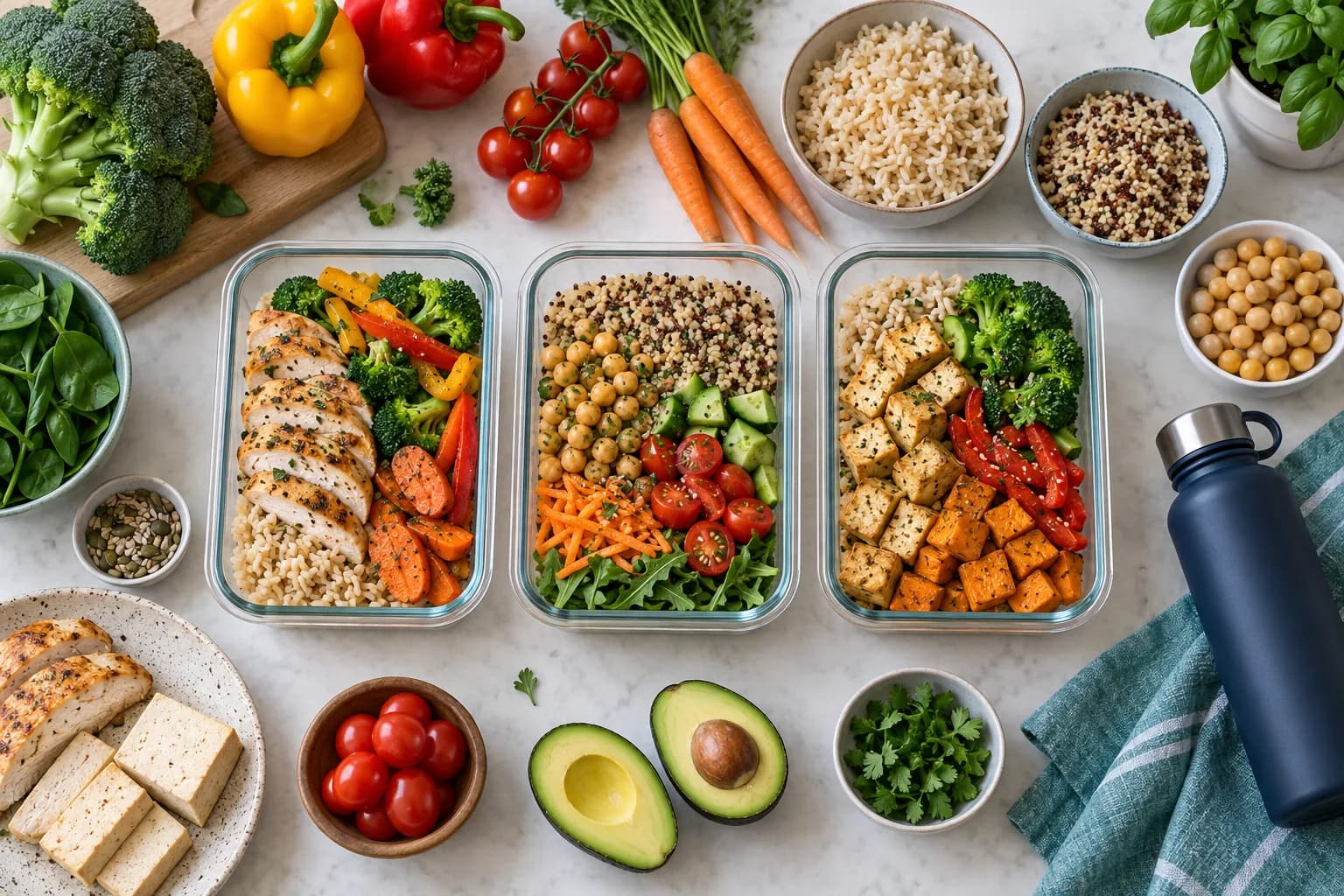
Nutrition can feel complicated when every week looks different. Simple nutrition habits for busy adults focus on reducing daily decisions and keeping flexible options available. The goal is not to follow a restrictive diet or label individual foods as good or bad. It is to create a basic structure that supports energy, satisfaction and consistency.
Use the ideas below as general education, then adapt them to your preferences, culture, budget and schedule. People with medical conditions, allergies, eating-disorder concerns or specialized nutrition needs should seek guidance from an appropriately qualified healthcare or nutrition professional.
Build a basic meal-planning rhythm
Meal planning does not require assigning a complicated recipe to every day. Start by identifying the meals that are most difficult during your week. Choose two or three repeatable breakfasts, lunches or dinners that use familiar ingredients. Leave room for leftovers, restaurant meals and schedule changes.
Review your calendar before making the list. A late meeting may call for a prepared meal or a simple option that can be assembled quickly. A quieter evening may be a better time to cook extra portions. Planning around real events makes the plan easier to use than creating an ideal menu in isolation.
- Choose a few dependable meal combinations.
- Plan first for the busiest days.
- Include a backup meal made from shelf-stable or frozen ingredients.
Include protein and fiber in practical ways
Protein- and fiber-containing foods can be useful parts of a satisfying meal. Rather than calculating every gram, begin by noticing whether your meals regularly include sources you enjoy. Options might include eggs, yogurt, beans, lentils, fish, poultry, tofu, whole grains, fruits or vegetables, depending on your needs and preferences.
Keep preparation simple. Pre-cooked beans, frozen vegetables, plain yogurt, canned fish or washed fruit can reduce the work required. Combine convenience foods with fresh ingredients when that helps. A realistic pattern is more useful than a plan that depends on cooking everything from scratch.
Make hydration visible and convenient
Keep water or another suitable beverage where you will notice it during the day. Pair drinking with existing events such as starting work, eating a meal or returning from a walk. Environmental cues are often more reliable than waiting until the end of a busy afternoon to remember.
Hydration needs vary with the person, environment, activity and health circumstances. Avoid treating a single online number as a prescription. If you have been given fluid guidance for a medical condition, follow your healthcare professional’s recommendations. Otherwise, build a regular pattern and pay attention to thirst and your usual response.
Prepare groceries for quick use
A grocery trip is only part of preparation. Spend a short period making selected foods easier to use: wash fruit, portion snacks, cook a grain, chop vegetables or place the most time-sensitive items where you can see them. You do not need to prepare every meal at once.
Organize the list around flexible components rather than one-purpose ingredients. A cooked protein, a grain or starchy vegetable, produce and a few sauces can become bowls, wraps, salads or simple plates. Frozen and canned options can reduce waste and provide backup when plans change.
Use practical portions without rigid rules
A practical portion is one that helps you feel comfortably satisfied and supports the rest of your day. Start with a balanced plate or bowl, eat at a pace that allows you to notice the meal and give yourself permission to adjust. Hunger naturally varies with activity, sleep, schedule and many other factors.
Avoid turning portions into a test of willpower. If you routinely finish meals still hungry, the meal may need more food, protein, fiber, fat or overall satisfaction. If you feel uncomfortably full, consider slowing the meal or beginning with a different amount next time. Personalized clinical nutrition advice belongs with a qualified professional.
Plan for restaurants and travel
Restaurant and travel meals do not have to interrupt every helpful habit. Look at the menu when advance planning reduces stress, but stay flexible if options change. Choose a meal that sounds satisfying and includes components that help you feel prepared for the activities ahead.
Pack one or two convenient snacks for delays, and carry a reusable water bottle where permitted. During longer trips, identify a grocery store or simple breakfast option near your destination. The goal is not to control every meal; it is to reduce the chance that time pressure leaves you with no workable choice.
- Avoid arriving extremely hungry when a small snack is available.
- Choose familiar options when predictability helps.
- Return to your usual pattern at the next meal without compensation.
Step away from all-or-nothing thinking
One unplanned meal does not make the week unsuccessful. Nutrition habits are patterns built across many meals. When plans change, ask what would be helpful now: adding a piece of fruit, preparing tomorrow’s lunch, drinking water or simply enjoying the meal and moving on.
Use curiosity instead of judgment. If takeout repeatedly becomes the only option on one evening, build it into the plan or prepare a backup for that day. Sustainable nutrition coaching can help you identify patterns and create practical structure, but it should not promise to treat health conditions or require extreme restriction.
Common questions
Do I need to meal prep every meal for the week?
No. Preparing a few versatile components or one backup meal may provide enough structure while leaving room for changing plans.
Are frozen and canned foods acceptable?
They can be practical options that reduce preparation and waste. Choose items that fit your preferences and any guidance provided by your healthcare team.
What if my week goes off plan?
Return to your usual pattern with the next practical choice. There is no need to compensate for one meal or wait for a new week.