
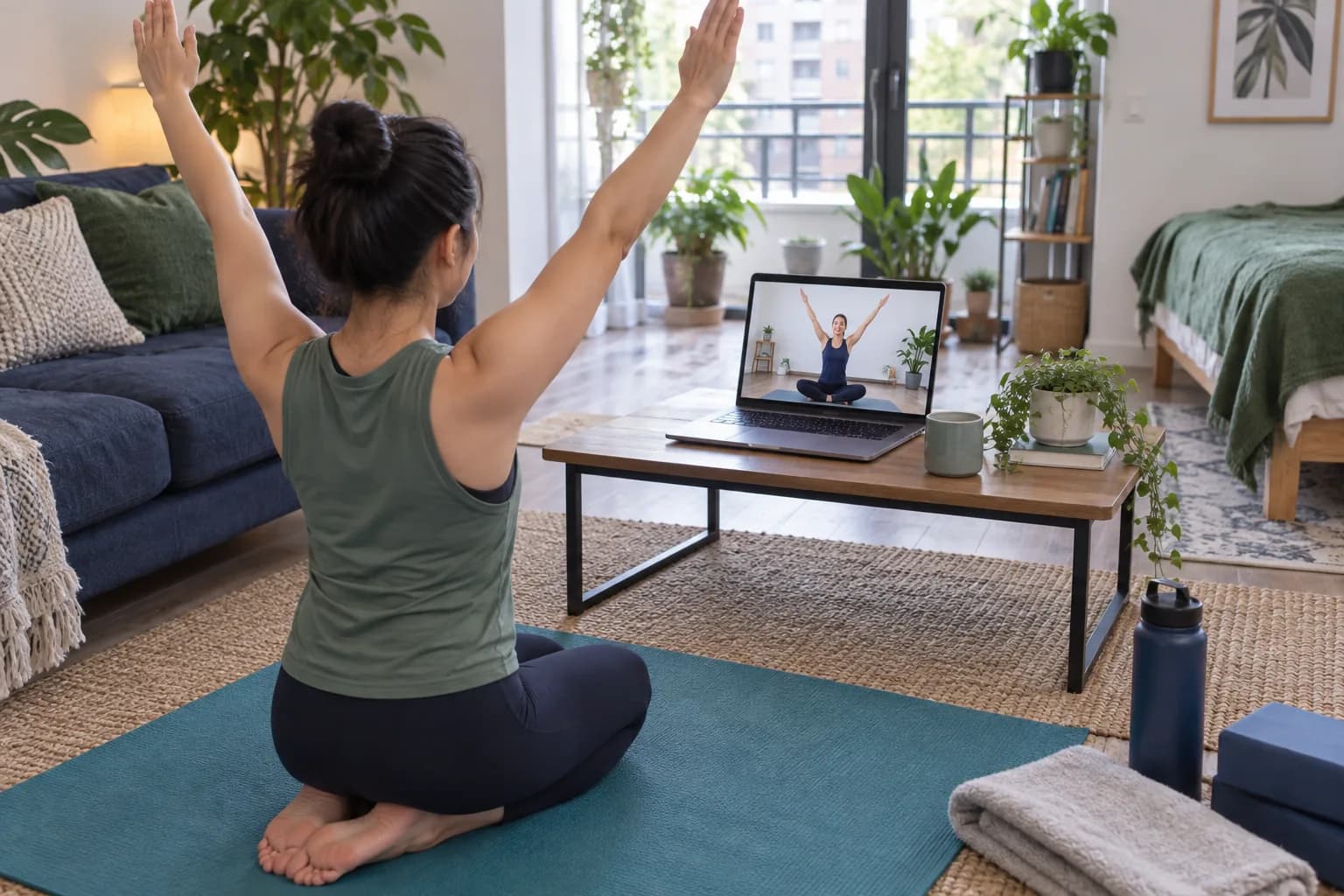
Online fitness coaching brings planning, instruction and accountability to you without requiring every interaction to happen in the same room. The exact service varies by coach, so it is helpful to understand the questions to ask and the steps a thoughtful program may include.
At 360 Vitality Fitness LLC, online coaching is intended to fit real schedules and starting points. It can include a consultation, a personalized plan, virtual check-ins and adjustments based on your experience. It is still a collaborative process: clear feedback from you helps the plan remain useful.
Begin with an initial consultation
The first conversation should explore what you want to improve and why it matters to you. Expect questions about your current activity, exercise experience, weekly schedule, available equipment and preferred ways to communicate. This is also your opportunity to ask how coaching works, what is included and how progress is reviewed.
Share relevant limitations and concerns honestly. A fitness coach is not a medical provider, so you may be asked to consult a healthcare professional when symptoms, injuries or health conditions fall outside fitness coaching. A clear starting conversation helps both parties decide whether the service and communication style are a good fit.
Review goals and current movement
Your goals should guide the plan, but they need enough detail to shape weekly action. “Get stronger” may become practicing two full-body sessions each week and improving comfort with several basic movement patterns. The coach may ask you to demonstrate movements live or submit short videos when appropriate.
Movement review is not a medical diagnosis. It is a fitness-focused way to observe starting positions, coordination, comfortable range and exercise familiarity. The coach can then choose accessible variations and explain what to practice first.
Receive a personalized plan
A personalized plan should reflect your goals, experience, time and equipment rather than simply assigning a generic list of exercises. It may include strength, mobility, conditioning or walking along with instructions for sets, repetitions, rest and effort. The plan should also explain how to modify a session when time or energy changes.
Ask where the plan will be stored and how exercise demonstrations are provided. You should know what each session is meant to accomplish, how long it is likely to take and what to do when an exercise is unavailable or uncomfortable.
- Weekly sessions matched to your schedule.
- Clear exercise instructions and alternatives.
- A practical way to record completed work.
- Guidance for progressions and lower-energy days.
Use virtual check-ins to keep the plan relevant
Check-ins create a regular opportunity to review what happened rather than guessing from a completed-workout count. You can discuss which sessions fit, where instructions were unclear and whether recovery felt appropriate. Depending on the service, check-ins may happen by video, phone or another agreed communication method.
Prepare a few notes before each check-in. Mention schedule changes, exercises that felt especially manageable or difficult and any questions about technique. Specific feedback makes adjustments more useful and helps the coach distinguish a planning problem from a temporary disruption.
Understand accountability and form feedback
Supportive accountability should help you notice patterns and take the next reasonable action. It does not require shame, daily pressure or pretending that life never interrupts a plan. Your coach may help you set weekly priorities, follow up on agreed actions and revise goals when the original target is not practical.
Form feedback may be provided during live sessions or from recorded clips when that option is part of the service. Position the camera so your full movement is visible, use adequate lighting and remove nearby hazards. Stop an exercise if you feel concerning pain or symptoms; a video cannot replace medical evaluation.
Decide whether online coaching suits you
Online coaching may suit people who want scheduling flexibility, prefer to train at home, travel frequently or already have access to a gym. It can also work well for beginners who value clear planning and a private environment. You will need a safe place to exercise and a reliable way to access instructions.
Some people prefer hands-on, in-person support or have needs that require clinical care. Others enjoy a mix of virtual coaching and occasional in-person sessions. Consider your learning style, comfort with technology and the level of supervision you want before choosing.
How to begin with 360 Vitality Fitness
Start by requesting a free consultation and sharing your primary goal, current routine and training preference. The conversation can clarify the available coaching format, whether online support matches your needs and what information is needed before a plan begins.
There is no need to become fit before speaking with a coach. A useful starting point is an honest description of where you are now. If you have medical concerns, injuries or symptoms that may affect exercise, obtain appropriate healthcare guidance before or alongside fitness coaching.
Common questions
Do I need a home gym for online fitness coaching?
Not necessarily. A plan can be built around the space and equipment you have, but you should discuss those details during the consultation.
How does a coach review exercise form online?
Depending on the service, feedback may happen during a live video session or through appropriately framed exercise clips. Ask about the exact process before beginning.
Is online coaching suitable for beginners?
It can be. Beginners should receive clear instructions, manageable progressions and a way to ask questions when an exercise is unclear.